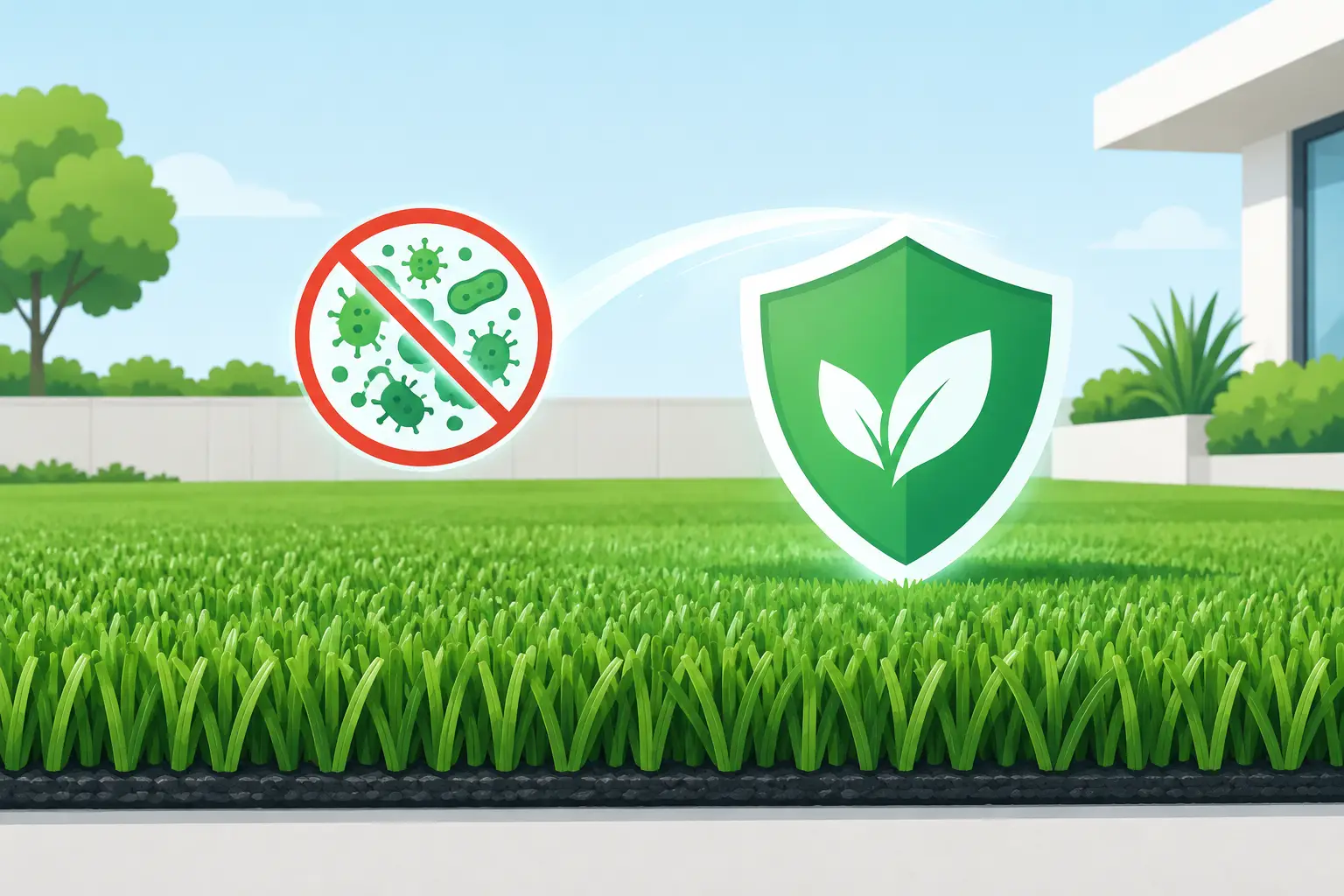
A backyard can look clean from the patio and still hold the source of a stubborn pet smell. That is the problem this artificial grass bacteria prevention guide is built to solve. Artificial turf does not grow mold or bacteria the way natural grass can, but urine, pet hair, spilled drinks, food scraps, and trapped organic debris can create a dirty, odor-producing layer deep in the fibers and infill.
For Arizona homeowners, heat makes the problem more obvious. Hot turf amplifies urine odors, especially in dog runs and favorite potty spots. A quick hose-down may make the surface look better for a day, but it rarely removes what has settled below the blades. Preventing bacteria buildup takes a simple routine, plus professional help when odor and grime have already taken hold.
Why Artificial Turf Starts to Smell and Harbor Bacteria
Artificial grass is built to drain, but drainage is not the same as deep cleaning. When pets use the same area repeatedly, urine can move through the turf and settle in the infill and backing. As moisture, bacteria, and uric acid crystals build up, the smell returns every time the area gets wet or heats up.
Pet hair, leaves, dust, and other debris make matters worse. They hold moisture near the surface, block drainage, and give bacteria more material to feed on. Flattened turf also traps debris more easily, so a yard that once looked full and fresh can begin to look matted, dingy, and gross.
Kids’ play areas need attention too. Food spills, muddy shoes, and standing water can leave behind bacteria even without pets. The goal is not to panic over every speck of dirt. It is to keep waste, moisture, and debris from becoming an embedded problem.
Artificial Grass Bacteria Prevention Guide: Your Weekly Routine
The best prevention is consistent, not complicated. Take five to ten minutes each week to remove leaves, pet waste, hair, and visible debris. A leaf blower, plastic rake, or turf-safe broom works well. Avoid metal tines that can pull fibers or damage the backing.
After picking up debris, rinse pet areas with a garden hose. This helps dilute fresh urine before it dries in the infill. Focus on the spots your dog uses most often rather than soaking the entire yard every day. Too much water can be a problem if drainage is already slow, so use enough to flush the area without creating puddles.
Brush high-traffic zones regularly to lift flattened fibers and loosen trapped material. Brush against the grain with a turf-safe power broom or stiff synthetic-bristle broom. This does more than improve appearance. Upright fibers allow better airflow and make it harder for hair and debris to pack down into the turf.
If your turf gets daily use from large dogs, multiple pets, or active kids, increase this routine to two or three times a week. A small, low-use patio turf area may only need weekly attention and a more thorough monthly cleaning. The right schedule depends on how your yard is used.
Treat Pet Urine Before the Odor Takes Over
Fresh urine is easier to manage than months of buildup. Rinse the area soon after your dog goes whenever possible, particularly during Arizona’s hottest months. If your dog has a favorite spot, make that area part of your regular yard routine instead of waiting for a smell to tell you there is a problem.
Use a turf-safe enzymatic treatment designed for pet urine when odor starts to appear. The product needs to reach the contaminated infill, not just coat the top blades. Follow the label carefully and avoid household cleaners that leave sticky residue, bleach the fibers, or are unsafe for pets and children.
Do not count on fragrance to fix urine. A deodorizer can make the yard smell better temporarily, but it cannot remove uric acid buildup on its own. If the odor returns after rinsing or a store-bought treatment, the contamination is likely deeper than a surface spray can reach.
Set Up a Designated Pet Area When It Makes Sense
A designated potty area can reduce the amount of turf that needs frequent treatment. It is especially useful for households with multiple dogs. Choose a spot with strong drainage and enough room for your pet to use comfortably, then rinse and clean it on a dependable schedule.
This will not eliminate the need for sanitation, but it can keep the rest of your turf cleaner and reduce widespread odor problems. For some dogs, training takes time. Consistency matters more than perfection.
Keep Debris and Moisture From Getting Trapped
Bacteria need moisture and organic material to thrive. That makes debris control one of the most practical steps in any artificial grass bacteria prevention plan. Pick up solid pet waste promptly. Leaving it behind, even briefly, allows bacteria to spread into surrounding fibers and makes cleanup harder after the fact.
Clear leaves, grass clippings, seed pods, and pet hair before they work down into the infill. Arizona yards may not deal with constant rain, but monsoon storms can blow a surprising amount of debris onto turf. Check the yard after heavy wind or rain and remove buildup before it mats down.
Watch for pooling water after rinsing or storms. Turf should drain instead of holding water on the surface. If puddles linger, you may have compacted infill, a blocked drainage issue, or an uneven base. Cleaning can improve compacted material, but ongoing pooling may require a closer inspection of the installation.
What Not to Use on Artificial Turf
The wrong cleaner can turn a manageable hygiene issue into damaged turf. Skip harsh chemicals, including bleach, ammonia-heavy products, and strong acids. They can discolor fibers, harm pets, irritate paws, and leave behind a chemical odor that is no better than the original problem.
Avoid using a high-pressure washer directly against the turf backing. High pressure can disturb infill, separate seams, and push contaminated material deeper into places it should not be. A controlled rinse is useful. Blasting the turf is not.
Also be careful with vinegar-based DIY solutions. They may reduce odor at the surface, but they do not reliably break down embedded urine crystals. Some homemade mixes can also affect nearby landscaping or leave the turf smelling sharp. When odor is recurring, use a treatment made for synthetic turf and pet waste.
When Routine Cleaning Is No Longer Enough
There is a clear difference between normal upkeep and a turf restoration problem. If the yard smells stronger when the sun comes out, the turf feels sticky or matted, or the odor returns quickly after cleaning, it is time for a deeper treatment. The same is true if you have tried enzyme products several times with little improvement.
Professional turf cleaning targets the layers a hose cannot reach. A proper service can power brush and sweep the fibers, remove embedded hair and debris, rinse the turf deeply, extract urine contamination, and apply sanitizer and deodorizer where they will do real work. The result is not just a perfumed backyard. It is cleaner turf that looks lifted, feels fresher, and is more pleasant for pets and family.
For heavy pet use, a professional deep clean once or twice a year can prevent a full odor takeover. Homes with several dogs, dog runs, or turf that has gone years without maintenance may need service more often. Elite Turf Cleaning focuses on that deeper reset – removing the grime, flattened fibers, bacteria, and persistent urine odor that regular rinsing leaves behind.
A Cleaner Yard Starts Before the Smell
The easiest artificial grass to maintain is turf that never gets the chance to hold months of pet waste, hair, and moisture. Remove debris, rinse active pet areas, lift the fibers, and address small odors early. Those habits protect your investment and make the backyard a place your family actually wants to use.
If your turf has already crossed the line from lived-in to unpleasant, do not keep covering the smell with fragrance. A deep sanitation service can bring the yard back to fresh, clean, and ready for bare feet and happy paws.