A backyard can look worn out long before the turf itself is ready for replacement. When synthetic grass is crushed flat around patio furniture, along dog runs, or in the favorite path to the pool, homeowners often assume the fibers are permanently ruined. The good news is that learning how to restore flattened artificial turf can bring back a fuller, cleaner look – especially when you address the dirt, pet hair, and bacteria packed down beneath the blades.
Flattened turf is rarely just a cosmetic issue. In Arizona, heat, dust, heavy foot traffic, and pets can turn once-lush artificial grass into a matted, dull surface that holds onto odors. A quick rinse may make it look better for an afternoon, but it will not remove what is embedded deep in the turf.
Why Artificial Turf Gets Flattened
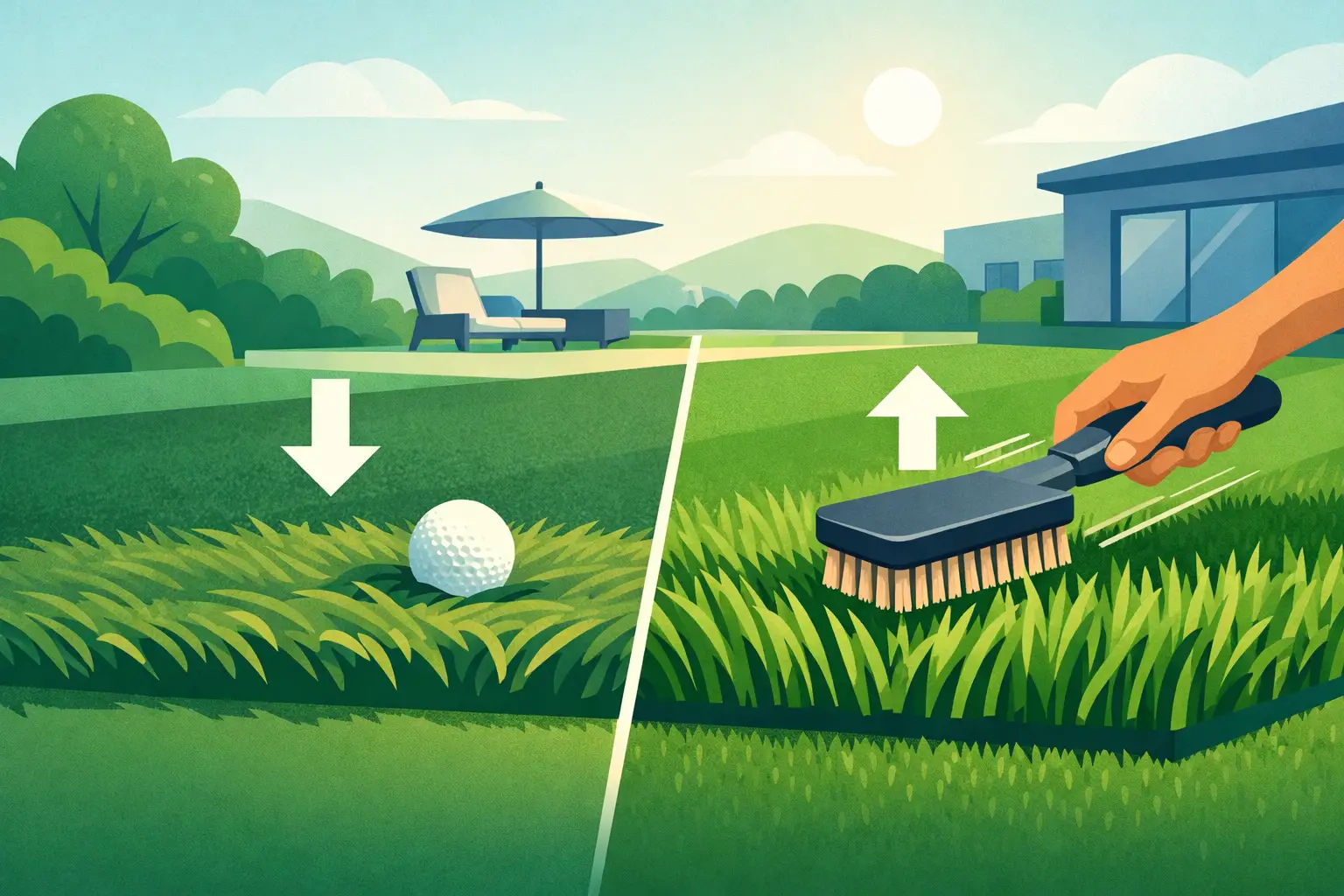
Artificial grass fibers bend over when they receive repeated pressure in the same spot. That can happen under outdoor chairs, around grills, near gates, and anywhere kids or dogs run every day. The longer the fibers stay compressed, the harder it becomes for them to stand upright on their own.
Traffic is only part of the problem. Dust, leaves, pet hair, and organic debris settle between the blades and into the infill. That buildup adds weight, locks fibers together, and gives the turf a dark, compacted appearance. Pet urine can make matters worse by leaving behind odor-causing bacteria and mineral deposits that regular hosing does not fully remove.
Arizona sun also plays a role. Heat does not automatically destroy quality turf, but it can make neglected fibers look tired faster. If the surface is dirty, compacted, and flat, even a good rinse will not restore the soft, upright finish your yard had when it was new.
How to Restore Flattened Artificial Turf Step by Step
The right approach depends on why the grass is flat. A small area flattened by patio furniture may respond to brushing. A pet area that is matted, stained, and smelly needs more than a brush and garden hose.
Start by removing surface debris
Clear away leaves, twigs, toys, and loose debris before brushing. This gives you a better view of the turf and prevents debris from getting pushed deeper into the fibers. For pet owners, this step also means removing trapped pet hair, which can cling tightly to artificial grass and block water from moving through the surface.
Use a leaf blower carefully for dry, loose debris. Avoid aggressive raking with metal tools. Artificial turf is tough, but sharp metal tines can pull fibers, damage seams, and create a bigger problem than the one you started with.
Brush against the grain
For most flattened areas, power brushing is the most effective first move. A stiff-bristle synthetic turf brush or a purpose-built power broom lifts fibers upright by brushing against their natural lay. Work in manageable sections instead of dragging a brush randomly across the whole yard.
Do not use a wire brush. It can tear or fray synthetic blades. Also avoid putting all your effort into one tiny spot. Consistent passes across the surrounding turf create a more even finish, so the restored section does not look noticeably different from the rest of the yard.
A manual brush can help with light flattening near edges and furniture. But when a large yard is matted down, or the turf has years of use behind it, professional power sweeping delivers a stronger, more consistent result with far less guesswork.
Loosen compacted infill when needed
Infill supports the turf blades and helps them stand up. Over time, it can become compacted from walking, running, and pet activity. When that happens, the grass may stay flat even after brushing because the base beneath it is dense and packed down.
Power brushing helps agitate and redistribute infill. This is a careful process. Too little agitation will not improve the turf’s appearance, while overly aggressive equipment or poor technique can move infill unevenly and expose backing in worn areas. If you are seeing thinning sections, loose seams, or visible backing, it is time for a turf specialist to assess the surface rather than force a DIY fix.
Rinse away dust and loosened grime
After brushing, rinse the turf with a garden hose to move away dust and loose debris. This is especially useful after windy Arizona days, when fine dirt settles deep into the blades. Use a steady, moderate spray and let the drainage system do its job.
Do not blast artificial turf with a high-pressure washer. High pressure can disturb infill, damage seams, force debris farther into the surface, and create uneven patches. More pressure does not mean a deeper clean.
Treat pet odor at the source
If your turf is flat and smells like urine, brushing alone will not solve it. The odor is usually not sitting on top of the grass. It can be trapped in the infill and beneath the turf, where bacteria and urine residue remain after the water evaporates.
Effective odor treatment requires a deep rinse, urine extraction where needed, and a turf-safe sanitizer and deodorizer designed to break down odor-causing contamination. Cover-up fragrances may smell nice for a day, but they do not eliminate the source. No more odors means treating what is below the surface, not masking it.
For households with multiple dogs, this is often the point where professional restoration makes the biggest difference. A deep service can lift the fibers, remove embedded hair and grime, flush problem areas, and leave the yard fresher for pets, kids, and guests.
Signs Your Turf Needs More Than a Brush
A routine brush can handle mild flattening. But some turf problems point to deeper buildup or drainage issues. Watch for these signs:
- The grass lies flat again soon after brushing.
- Pet odors return after every rinse or get stronger in warm weather.
- The surface feels hard, gritty, sticky, or uneven underfoot.
- Dark patches, stains, trapped hair, or visible debris remain between the blades.
- Water pools on the turf instead of draining away.
When these issues show up together, the problem is usually not the blades alone. It is the packed debris, contaminated infill, or material beneath the surface that needs attention.
What Not to Do When Turf Looks Matted
Do not pour harsh household chemicals, bleach, or unapproved cleaners across your synthetic grass. They can leave residue, affect color, irritate paws, and create runoff concerns. Turf-safe products matter, especially in the areas where pets spend the most time.
Avoid using a metal rake, a wire brush, or high-pressure equipment. These shortcuts can damage fibers and seams while doing little to resolve the underlying dirt and odor. And do not ignore a recurring urine smell just because the turf looks cleaner after a rinse. The smell will keep coming back until the bacteria and residue are treated properly.
It also helps to move outdoor furniture from time to time. Even the best artificial turf will flatten under a chair leg that stays in exactly the same place for months. Shifting furniture, rotating play equipment, and brushing high-traffic lanes can extend the restored look between professional cleanings.
Keep Restored Turf Looking Full and Fresh
Once your turf is back on its feet, simple maintenance goes a long way. Remove debris regularly, rinse dust and light pet messes before they settle, and brush the busiest sections before they become visibly matted. The schedule depends on your household. A quiet front yard may need occasional attention, while a backyard used by two large dogs may need frequent odor control and deeper cleaning.
Professional service is not about replacing basic upkeep. It is about handling what routine upkeep cannot reach: embedded hair, compacted grime, urine buildup, bacteria, and fibers that refuse to lift. Elite Turf Cleaning restores the surface and the freshness underneath it, so your artificial grass looks cared for instead of covered up.
Your turf does not have to stay flat, dull, or unpleasant to use. Treat the cause early, use the right tools, and give heavily used areas the deeper care they need. A clean, upright, fresh-smelling yard is still there – it just needs to be brought back to life.