A hot Arizona afternoon can make a small pet urine problem smell like it has taken over the entire backyard. If you are asking what removes dog smell from artificial grass, the honest answer is not a quick spray or a garden hose. Persistent odor comes from urine trapped below the turf, inside the infill, and sometimes in the base material underneath.
Artificial grass does not absorb urine the way natural grass and soil can. The liquid drains away, but urine salts, bacteria, and odor-causing residue can stay behind. Add heat, repeated use, pet hair, and flattened turf fibers, and your once-clean yard can start smelling gross fast.
The right treatment removes the source of the odor, not just the smell you notice on the surface.
What Actually Removes Dog Smell From Artificial Grass?
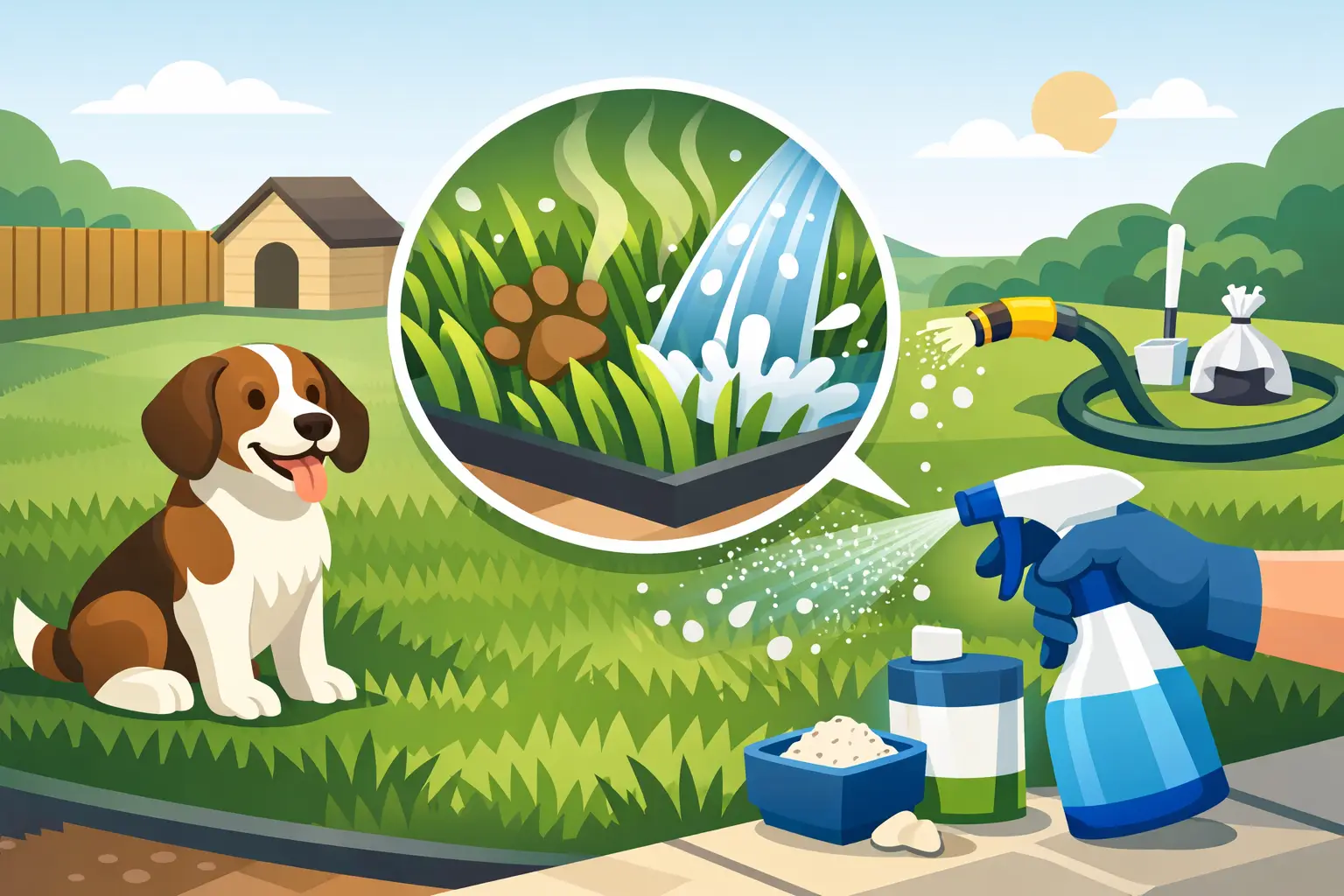
The most effective solution is a deep cleaning process that combines urine extraction, rinsing, turf-safe odor treatment, sanitizing, and deodorizing. Each step handles a different part of the problem.
An enzyme-based pet odor treatment can help break down organic waste that causes lingering smells. This is useful for light or newer odor issues, especially when it reaches the affected area instead of sitting on top of the blades. A turf-safe sanitizer helps reduce bacteria that thrive in pet areas. A proper rinse flushes out loosened residue.
But severe odors usually need more than a bottle of cleaner. When a dog uses the same patch of turf day after day, urine residue builds up in the infill. That is why the odor may disappear after a hose-down, then return as soon as the sun hits the yard. The smell was masked or diluted, not removed.
For heavy pet use, professional turf restoration is the strongest answer. Specialized equipment can power brush compacted areas, remove embedded hair and debris, rinse deeply, treat urine hotspots, and restore the turf fibers that have been flattened by paws and foot traffic.
Why Hosing It Down Usually Does Not Work
Water is helpful, but it is not a complete odor treatment. A light rinse can wash away fresh urine before it has time to dry and concentrate. It can also cool down the turf temporarily, which may make the smell less noticeable.
The problem is that water alone does not neutralize urine salts or eliminate bacteria trapped within the turf system. In some cases, repeated shallow rinsing can push residue farther down without fully removing it. If drainage is slow or the infill is heavily saturated, the odor can remain stubbornly locked in place.
This is especially common in Arizona yards. High temperatures intensify pet urine odor, while low humidity speeds up drying and leaves concentrated urine crystals behind. Your turf may look clean from the patio but smell completely different when the afternoon heat arrives.
The Difference Between Light Odor and a Deep Turf Problem
Not every artificial grass odor issue needs the same level of treatment. A dog that occasionally uses a large yard may only create mild spots. Regular rinsing, prompt cleanup of solid waste, and a turf-safe enzyme cleaner can often keep that space fresh.
A deep problem looks different. You may notice odor returning within days of cleaning, a strong ammonia smell in hot weather, yellow or white residue near common pet areas, matted turf, or flies gathering around certain sections. Those are signs that urine and bacteria are building up below the surface.
Turf that has not been professionally cleaned in a long time may also hold pet hair, dust, leaves, and other debris deep in the fibers. That debris blocks drainage and gives bacteria more places to collect. Odor treatment works best when the turf is cleaned first, not when deodorizer is sprayed over a dirty surface.
What to Avoid When Treating Pet Odor
The wrong product can create a bigger problem than the odor itself. Avoid using harsh bleach, strong acids, or household chemicals that are not made for synthetic grass. These products can damage turf backing, discolor fibers, create fumes, and leave a yard less safe for pets and kids.
Fragranced sprays are also a short-term move. They may make the backyard smell pleasant for a few hours, but perfume does not remove urine crystals or sanitize bacteria. When the fragrance fades, the original odor is still there.
Be cautious with heavy powders, too. Some odor powders can clump in infill, leave residue on paws, or become difficult to rinse out. If a product is not specifically designed for artificial turf and pet areas, do not assume it is a safe fix.
Vinegar is another common DIY suggestion. It may help with mild surface odors in limited situations, but it is not a reliable solution for established urine buildup. Overusing acidic products can also work against the goal of protecting your turf system for the long run.
A Better Way to Keep Artificial Grass Fresh
The fastest way to prevent serious odor is to avoid letting residue build up. Pick up solid pet waste promptly. Rinse the areas your dog uses most, particularly during hot stretches. Remove leaves, pet hair, and debris before they settle deep into the turf.
Brushing also matters. Turf fibers that are standing upright allow better airflow and make the yard look cleaner. Matted areas tend to hold debris and make pet zones look worn long before the turf itself is ready for replacement.
Still, routine maintenance has a limit. A busy multi-dog household, a small pet run, or a favorite potty corner can overwhelm DIY care quickly. Think of it like cleaning carpet: vacuuming helps, but it cannot replace an occasional deep clean when odors and grime have reached below the visible surface.
How Often Should Pet Turf Be Deep Cleaned?
It depends on how many pets use the yard, the size of the turf area, drainage conditions, and Arizona heat exposure. A large backyard with one dog may need professional cleaning once or twice a year. A compact dog run or yard used by multiple dogs may need treatment every few months.
Do not wait until guests notice the smell. If odor returns after rinsing, if your turf feels dirty underfoot, or if the blades are flat and packed down, it is time to address the buildup before it gets worse.
What Professional Pet Odor Removal Does Differently
A professional service is not just a deodorizing visit. The goal is to bring the entire turf surface back to life.
At Elite Turf Cleaning, that means starting with the mess people do not always see: trapped pet hair, compacted debris, dirt, and residue in the turf fibers. Power brushing and power sweeping help lift the blades and loosen buildup. Deep rinsing helps flush problem areas. Targeted pet odor and stain treatments address urine hotspots, followed by turf-safe sanitizer and deodorizer applications.
For stubborn pet areas, urine extraction is a key step. Instead of covering the smell, the treatment focuses on pulling out the residue that keeps creating it. That is the difference between a backyard that smells better for a day and one that feels fresh, clean, and usable again.
There is also a visual payoff. Cleaned turf stands up better, looks more even, and loses that dull, flattened appearance that makes artificial grass look old before its time. No more odors. No more mess. No need to assume expensive turf replacement is your only option.
Common Questions About Dog Smell in Artificial Grass
Can dog urine permanently ruin artificial grass?
Quality artificial turf is built to handle pets, but neglected urine buildup can create persistent odors, staining, compacted infill, and drainage issues. The turf itself often can be restored when the underlying contamination is treated properly.
Will rain remove dog urine smell?
Rain can rinse fresh surface residue, but it rarely removes deep urine buildup. In Arizona, rain is also too infrequent to serve as a regular odor-control plan. A targeted rinse and professional treatment are far more dependable.
Is professional turf cleaning safe for pets and children?
It should be. Ask what products and methods are being used. A turf-specific service should use pet-conscious, eco-friendly treatment options designed for outdoor synthetic grass, then clearly explain when the area is ready for normal use.
Your backyard should be a place where the dog can play and your family can relax without holding their breath. When pet odor keeps coming back, stop covering it up. Treat the buildup underneath, restore the turf, and enjoy your yard again.