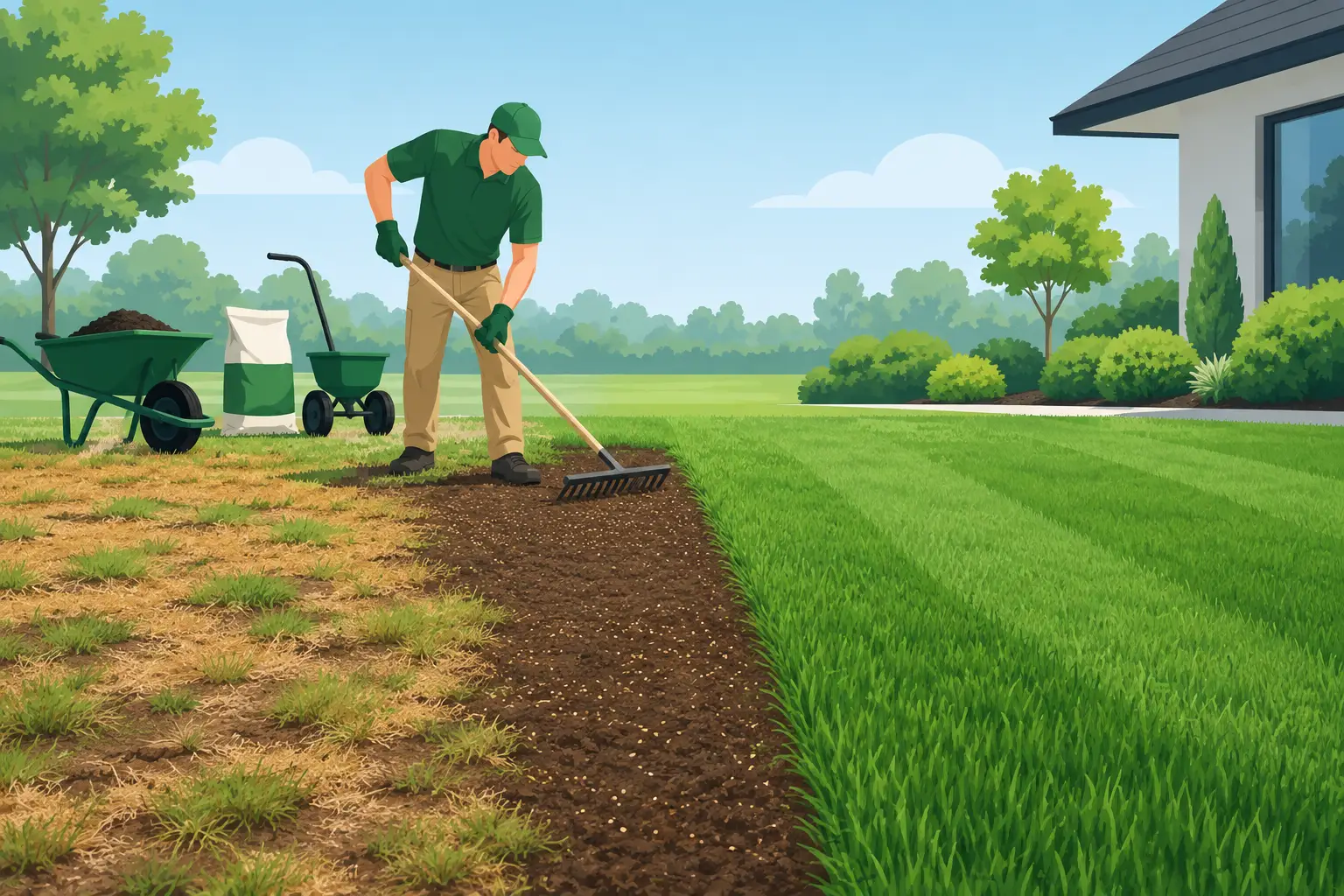
Your artificial grass was supposed to make life easier. But after months of pets, backyard play, dust, leaves, and Arizona heat, it can start to look flat, feel gritty, and smell worse every time the sun comes out. This guide to professional turf restoration explains what actually brings synthetic grass back to life – and why a quick hose-down is rarely enough.
When Artificial Turf Needs More Than a Rinse
A little loose debris is normal. A persistent smell, matted fibers, dark pet spots, and a surface that no longer feels clean are different problems. They are signs that dirt, hair, bacteria, and urine residue have worked below the visible blades and into the turf backing and infill.
This is especially common in pet areas. Dog urine does not simply sit on top of artificial grass waiting to be rinsed away. Liquid moves through the fibers and can collect beneath the surface. As urine residue builds up, hot weather activates the odor. The result is a backyard that looks acceptable from a distance but smells unpleasant up close.
Regular maintenance still matters. Blowing off leaves and rinsing the surface can help with day-to-day appearance. But it will not pull out compacted pet hair, lift flattened fibers, or fully treat odor-causing bacteria trapped deeper in the turf system.
What Professional Turf Restoration Really Means
Professional turf restoration is not basic pressure washing. In fact, using the wrong pressure or technique can damage turf fibers, move infill where it does not belong, and leave the real odor source behind.
A proper service targets the entire condition of the lawn: the look of the fibers, the debris packed into the surface, the bacteria created by pet use, and the urine residue causing the smell. The goal is simple: clean turf that stands taller, drains better, feels fresher, and is safe for the people and pets using it.
The process should be tailored to the yard. A small patio pet run with two dogs needs a different level of treatment than a large backyard used occasionally by one family. Turf age, drainage, shade, number of pets, and the severity of the odor all affect the right approach.
Power brushing restores the turf’s appearance
Artificial grass gets flat because foot traffic, pets, outdoor furniture, and weather press the fibers down over time. Once blades are matted, they trap more dust and organic debris. The lawn starts to look worn, even if the turf itself still has years of life left.
Power brushing and power sweeping lift those flattened fibers and pull buried debris toward the surface. This is where homeowners often see the most immediate visual change. Turf that looked tired and compressed begins to look fuller, more even, and better cared for.
Brushing is not just cosmetic. Raising the fibers helps improve airflow and makes it easier to remove hair, leaves, and residue that a surface rinse misses.
Deep cleaning removes what you cannot see
Arizona yards collect plenty of fine dust, even when they are well maintained. Add pet hair, food crumbs, pollen, leaves, and everyday grime, and the spaces between turf blades can become compacted. That buildup holds moisture and odor close to the surface.
A professional deep clean combines controlled rinsing with debris removal. The purpose is to flush away the material that has settled into the turf rather than simply pushing it around. It should leave the surface clean without creating a muddy mess or damaging the turf installation.
If a yard has poor drainage, restoration may improve the surface condition but cannot correct a major base or drainage failure. Standing water, sinking areas, and consistently wet turf may require an inspection of the underlying installation. Honest service means treating the problem that exists, not promising a cleaning will fix structural issues.
Why Pet Urine Odor Comes Back After DIY Treatments
Many homeowners try vinegar, heavily scented sprays, soap, or a garden hose. These can temporarily cover the smell, particularly when temperatures are mild. Then the next hot afternoon arrives, and the odor returns.
That happens because fragrance is not extraction. If urine crystals and bacteria remain in the turf and infill, the source is still there. Adding more deodorizer on top of the problem can create a strong chemical smell without delivering a clean result.
Professional odor treatment starts by addressing the affected zones. A technician identifies the high-use pet areas, applies turf-safe products designed to break down odor sources, and rinses and extracts residue as needed. Sanitizer and deodorizer are then applied to eliminate bacteria and leave the area fresh – not artificially perfumed.
The best treatment is effective without making your backyard a place pets and kids need to avoid for days. Eco-friendly, turf-safe methods matter because this is your home’s outdoor living space. Your dog will be rolling around there. Your children may be playing there. Clean should also mean responsible.
The Professional Turf Restoration Process
A complete restoration service should follow a clear sequence. Skipping steps is how a lawn gets a quick surface refresh instead of a real reset.
First, loose debris, leaves, and pet hair are removed. This clears the way for a deeper clean and prevents organic matter from being worked farther into the turf.
Next, the turf is power brushed or swept to lift crushed fibers and loosen compacted buildup. This step restores the upright look homeowners want while exposing debris that was hidden near the base of the blades.
Then comes deep rinsing and targeted cleaning. For pet-heavy yards, urine extraction and stain treatment focus on the places where odor is strongest. Rather than treating every inch of the yard the same way, professional service should concentrate on the areas producing the biggest problem.
Finally, sanitizer and deodorizer are applied to treat bacteria and leave the turf fresh. A final grooming pass helps the lawn look even and ready to use. The difference should be visible and noticeable: cleaner fibers, less debris, no lingering pet smell, and a backyard that feels inviting again.
How Often Should You Restore Artificial Grass?
For many Arizona households, professional turf restoration once or twice a year is a smart baseline. Homes with multiple dogs, active kids, frequent entertaining, or a dedicated pet run may need service more often. A high-use dog area can build up odor much faster than the rest of the yard.
Do not wait until the smell becomes overwhelming. Early service is usually easier because residue has had less time to build up. If you notice that your turf stays flat after brushing, smells stronger in the afternoon, or feels full of hair and debris near the base, it is time to schedule a deeper clean.
Between professional visits, keep maintenance simple. Remove solid pet waste promptly, clear leaves before they break down, rinse pet areas regularly, and avoid harsh household chemicals. Bleach, strong solvents, and random cleaning mixtures can discolor fibers, damage backing, or create runoff concerns.
Choosing a Turf Restoration Company
Not every exterior cleaning company understands artificial grass. Ask what their process includes and listen for specifics. A company that only offers a quick spray or surface rinse may not be equipped to solve embedded odors and compacted debris.
Look for a service that addresses power brushing, debris and pet hair removal, deep rinsing, urine extraction when needed, stain treatment, sanitization, and deodorizing. The work should be focused on restoring the turf, not just making it smell better for an afternoon.
It also helps to choose a team that understands pet-heavy yards. Those yards need more than general cleaning advice. Elite Turf Cleaning focuses on the issues that make homeowners frustrated with artificial grass in the first place: flattened turf, trapped grime, bacteria, and urine odors that refuse to disappear.
Your turf is part of your home, not a problem you should have to work around. When the backyard starts looking gross or smelling worse than it should, a professional restoration can give you back a clean place to relax, play, and let your pets enjoy the yard.